
Climate change poses significant challenges to Somalia, affecting various aspects of the country’s environment, economy, and the traditional way of life of its people. Here’s an overview of some of the impacts and their effects:
Drought and Desertification: Somalia is prone to drought, and climate change exacerbates this issue. Changing rainfall patterns and rising temperatures contribute to prolonged droughts, leading to water scarcity and desertification. This directly impacts pastoral communities who rely on livestock for their livelihoods. With diminishing grazing lands and water sources, pastoralists face challenges in sustaining their traditional way of life.
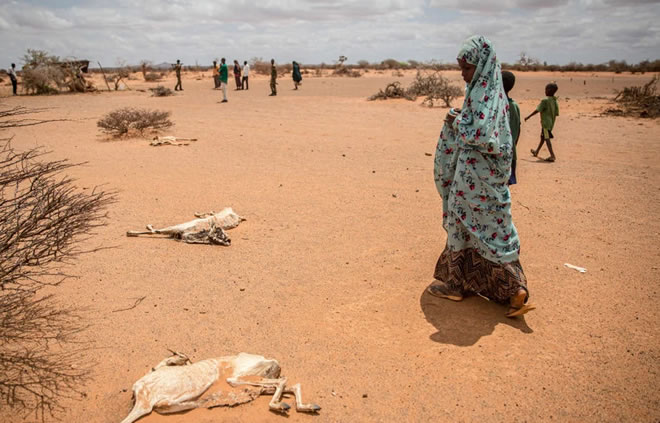
Food Insecurity: Agriculture is a crucial sector in Somalia, providing livelihoods for a significant portion of the population. Erratic rainfall and increased frequency of extreme weather events like floods and droughts disrupt agricultural activities, leading to crop failures and reduced food production. This results in food shortages, malnutrition, and heightened vulnerability, particularly among rural communities.
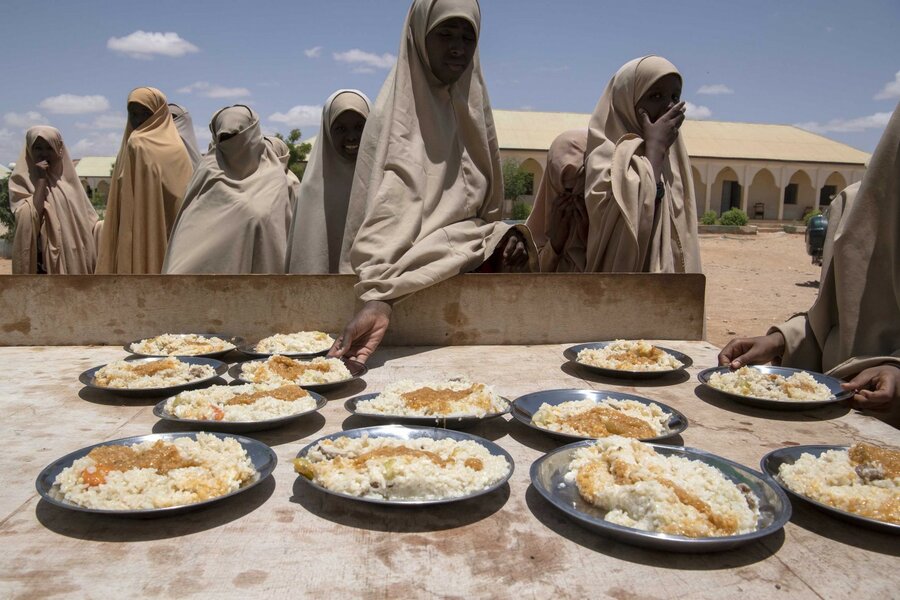
Conflict and Migration: Climate-induced environmental stressors often exacerbate existing social tensions and conflicts in Somalia. Competition over dwindling resources such as water and grazing land can escalate into conflicts between different communities. Additionally, the impacts of climate change contribute to forced migration as people, particularly from rural areas, seek alternative livelihoods and better living conditions in urban centers or even across borders.

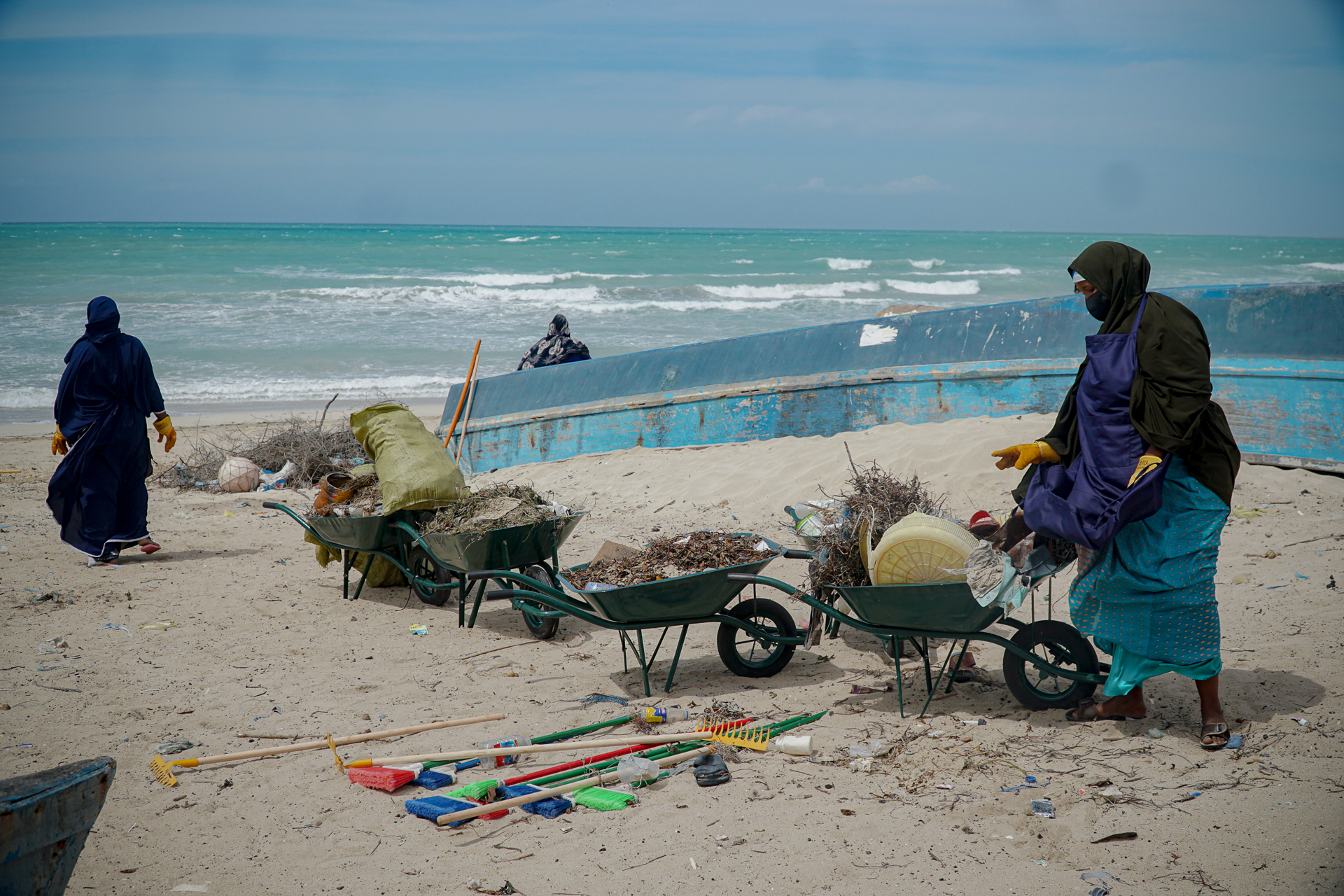
Impact on Coastal Communities: Somalia has a long coastline, and rising sea levels pose a threat to coastal communities. Increased coastal erosion, saltwater intrusion, and the risk of more frequent and severe storms threaten livelihoods dependent on fishing and coastal agriculture. This not only affects the economy but also endangers the cultural identity and way of life of these communities.
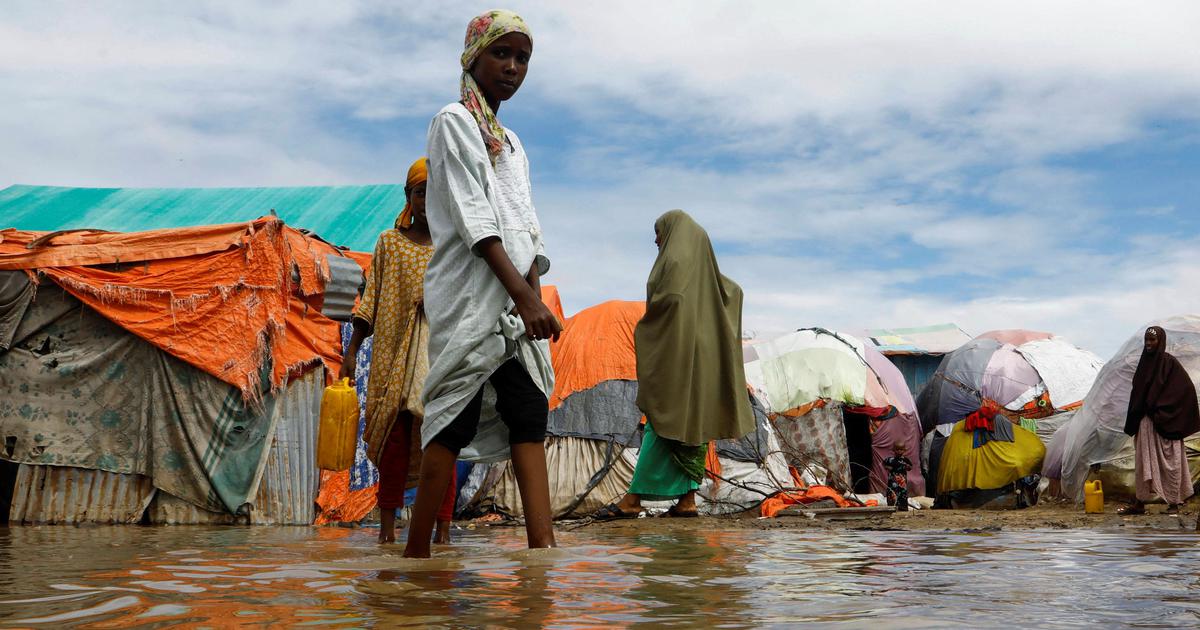
Health Risks: Climate change exacerbates health risks in Somalia. Increased temperatures and changes in precipitation patterns contribute to the spread of vector-borne diseases like malaria and dengue fever. Additionally, waterborne diseases become more prevalent due to inadequate access to clean water and sanitation facilities, further straining healthcare systems.
Adapting to these challenges requires a multifaceted approach that integrates climate resilience into development planning and promotes sustainable practices. Investing in climate-smart agriculture, water resource management, and renewable energy can enhance resilience to climate change impacts. Additionally, empowering communities with knowledge and resources to adapt to changing environmental conditions and diversify their livelihoods can help mitigate the adverse effects on their traditional way of life. International cooperation and support are also crucial in building the resilience of vulnerable communities in Somalia to the impacts of climate change.